
Reception and accession
Private check-in, approved consent, unique specimen coding, request review and safe hand-off to trained staff.
No public display of names or results.
This page describes the facilities, systems and partnerships Tanale would need for responsible malaria testing support and community research.
The World Health Organization recommends diagnostic testing by microscopy or a rapid diagnostic test before malaria treatment. A responsible facility therefore needs more than a room and microscopes: it needs trained people, controlled workflows, quality assurance, safe waste handling and appropriate clinical referral.
Tanale’s proposed role is to connect community education and responsible research with qualified laboratory, clinical and public-health partners. The website does not provide diagnosis or treatment advice.
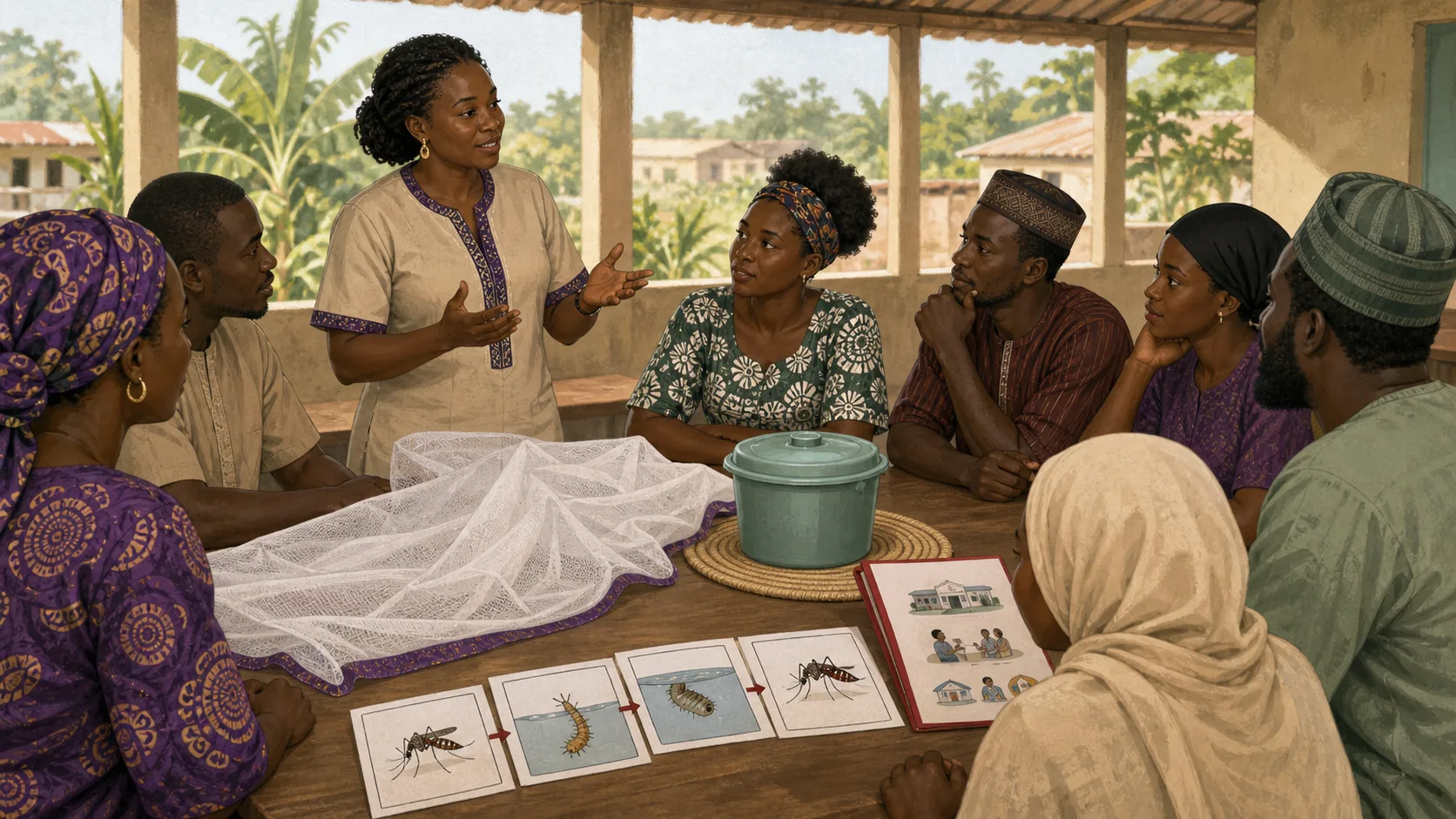
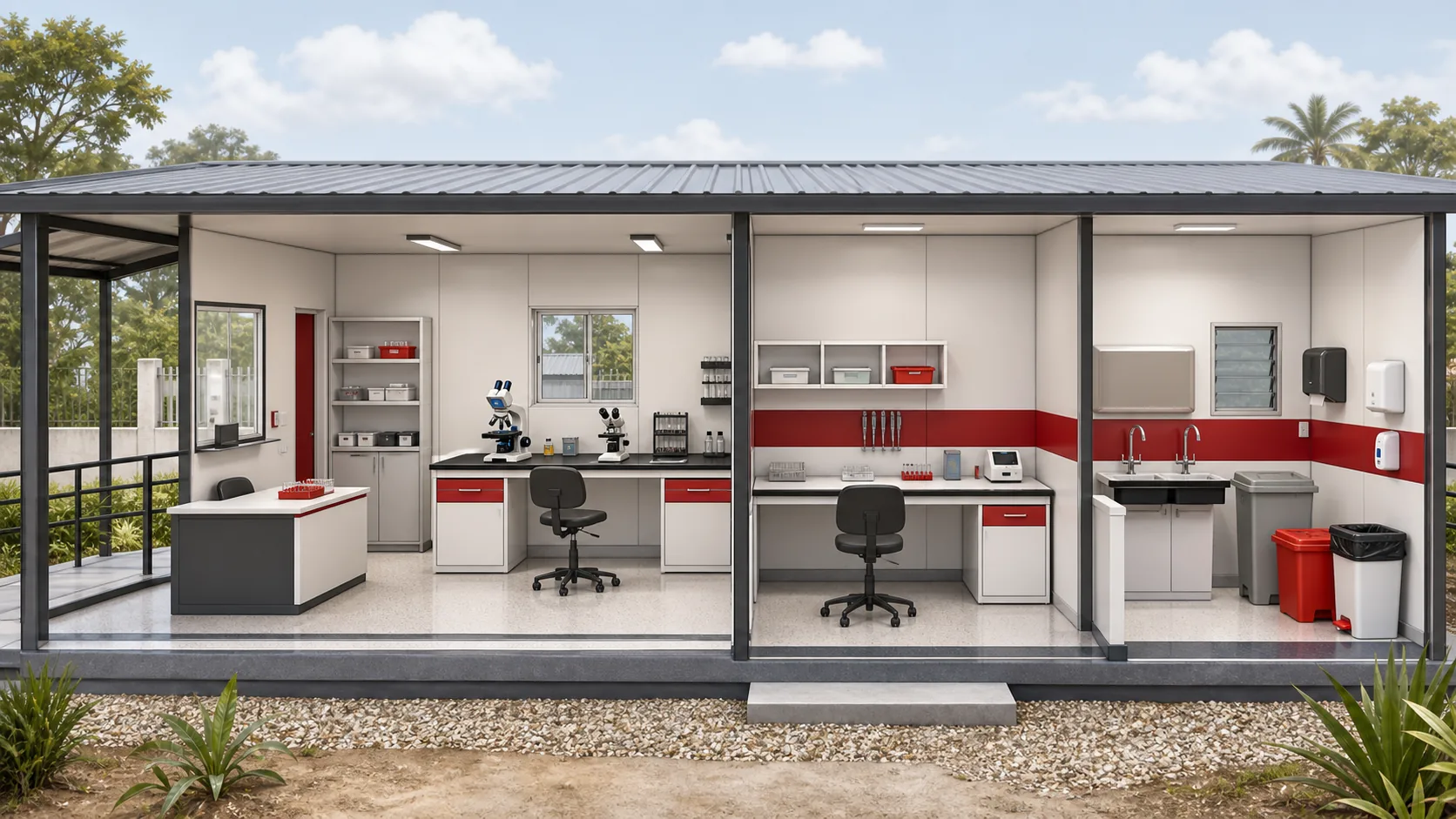
These additional planning views show how responsible capability extends beyond the testing bench into reception, community learning and resilient infrastructure.
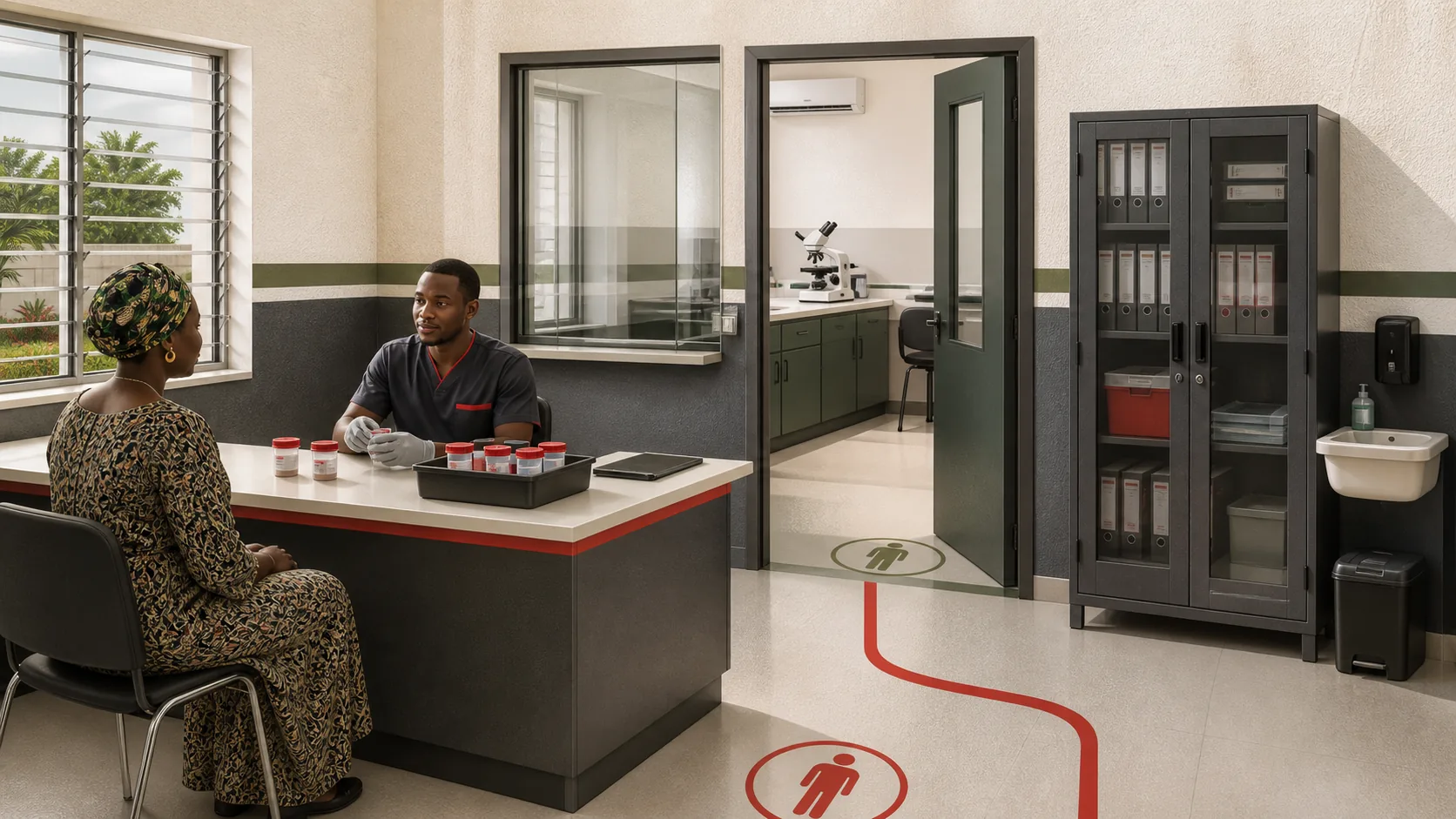

The layout should separate public circulation, specimen work, records, storage and waste so that people and materials move safely.
Private check-in, approved consent, unique specimen coding, request review and safe hand-off to trained staff.
No public display of names or results.A clean bench for labelled slides, thick and thin film preparation, controlled staining, drying and traceable batches.
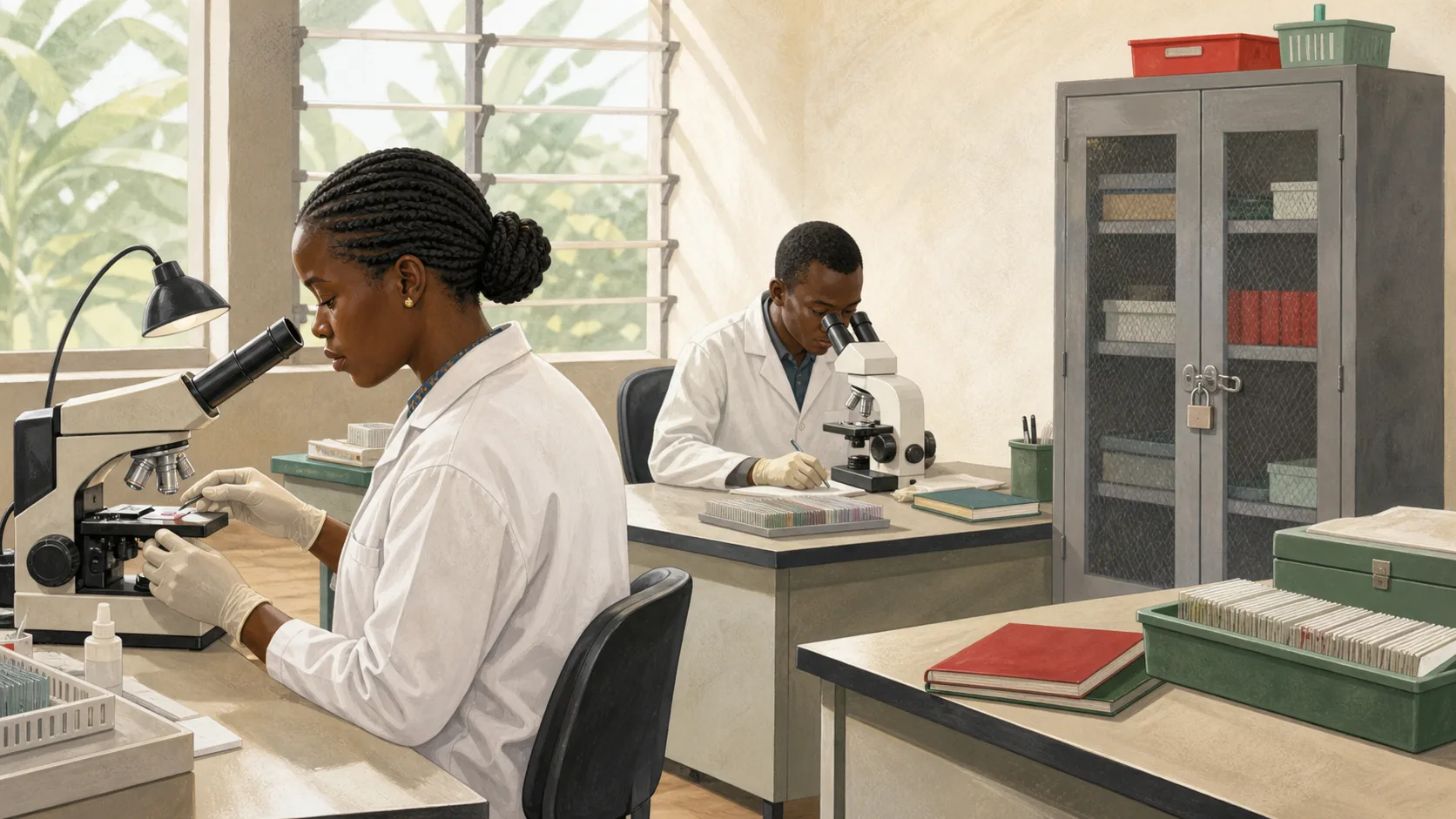
SOPs govern every preparation step.Quality light microscopy with competent readers, parasite identification and density work only within an approved scope.
Discrepancies trigger review, not guesswork.Controlled storage, lot and expiry records, temperature monitoring, training and quality-control support for approved rapid tests.
RDT use follows current authorised instructions.Role-based access, coded research data, result authorisation, retention limits, backups and a documented correction trail.
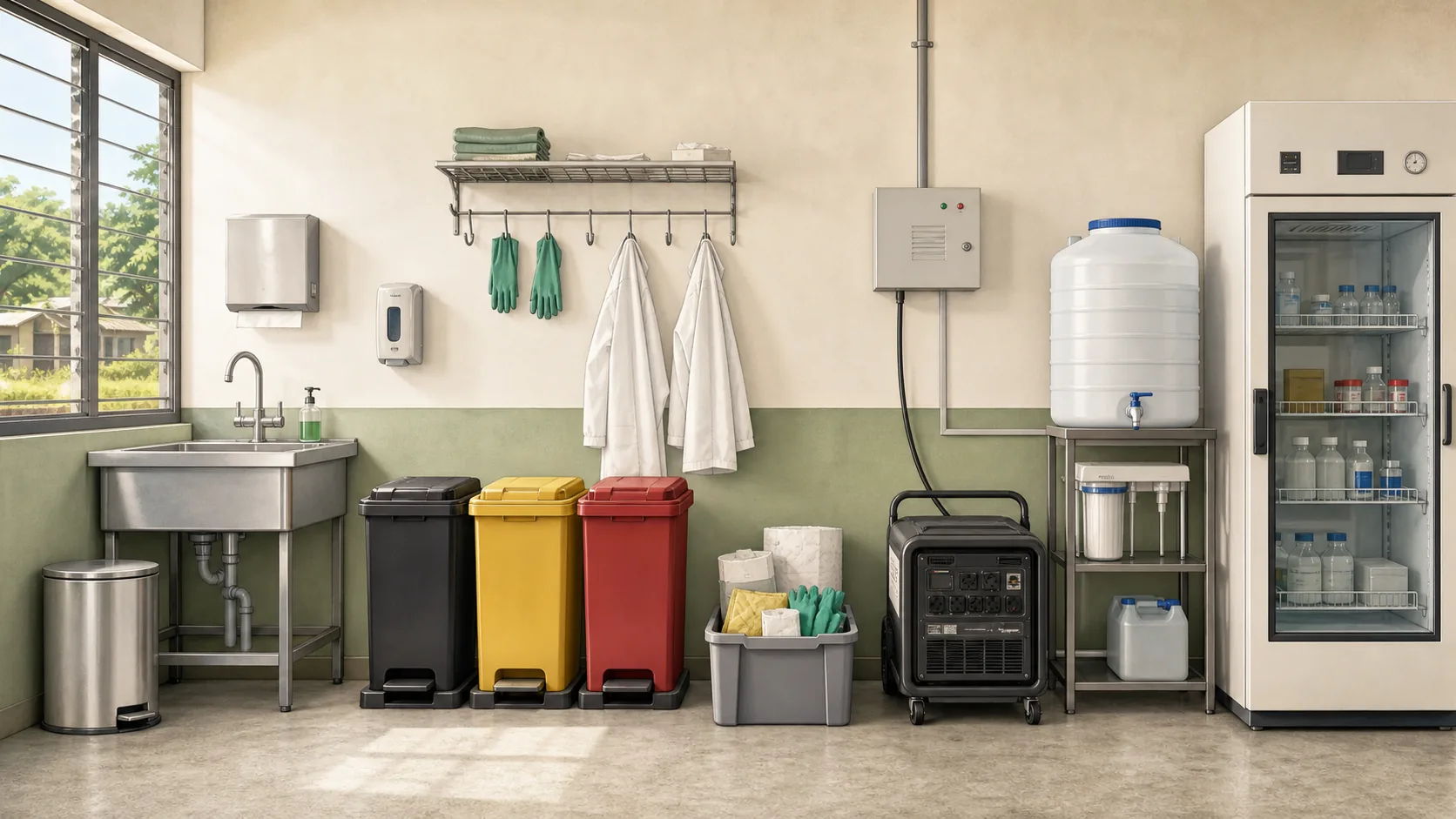
General website forms never receive medical records.Hand hygiene, appropriate PPE, disinfectants, sharps controls, spill response and authorised waste disposal.
Waste routes remain separate from public areas.The items below are planning requirements. They are not an inventory of equipment currently owned by Tanale Foundation.
Clinical decisions remain with appropriately authorised professionals. Research samples require an approved protocol and informed consent.
Confirm whether the work is clinical support, training, quality assurance or an ethics-approved research protocol.
Verify request details, minimise personal data, assign a unique code and document chain of custody.
Use approved methods, controlled materials, valid equipment and staff whose competency is current.
Apply second reads or supervisory checks, resolve discrepancies and reject invalid work rather than forcing a result.
Release information only through an authorised route and escalate results that need clinical or reference-laboratory review.
Follow retention rules, de-identify approved learning data, document incidents and dispose of materials safely.
Training needs, supervised practice, second-reading systems and ongoing proficiency.
Storage conditions, lot tracking, correct use and appropriate escalation of uncertain results.
How people understand prevention, prompt testing and appropriate referral without stigma or misinformation.
Ethics-approved, de-identified surveillance questions developed with public-health and academic partners.
Dignity, valid consent, confidentiality and a useful public purpose come before publication, promotion or convenience.
A credible malaria facility depends on formal responsibilities, quality oversight and reliable referral—not informal endorsements.
Microscopy leadership, competency assessment, SOPs and supervision.
Authorised patient care, result interpretation and escalation pathways.
Protocol design, ethics, epidemiology, training and responsible knowledge sharing.
Risk assessment, external quality assurance and readiness review.
Validated equipment, maintenance support, utilities and controlled supplies—not unserviceable donations.
Only verified and approved Tanale research notes appear here. An empty library is more responsible than an invented result.
A six-stage planning model for authorised purpose, consent, specimen coding, controlled testing, quality review, referral, records and disposal.
Read research noteHow microscopy and rapid diagnostic tests fit into malaria testing—and why storage, competency, supervision and quality assurance matter.
Read research noteA facility-readiness guide covering controlled zones, trained people, reliable utilities, biosafety, records, quality oversight and referral.
Read research noteShare the proposed scope, credentials, responsibilities, quality safeguards, referral plan and community benefit.