
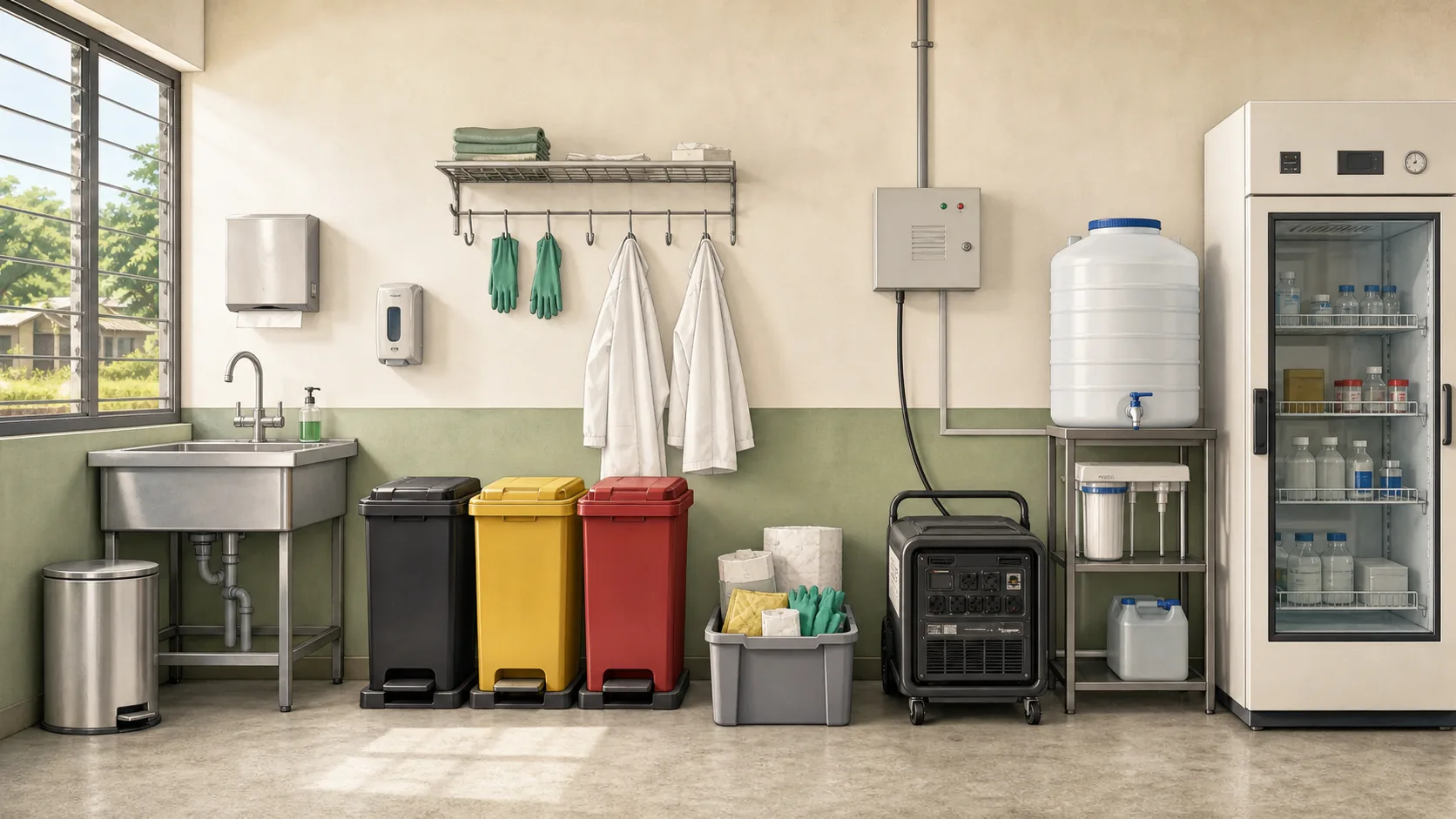
Traceability means that authorised staff can explain what happened, who was responsible, which controlled method was used, what quality checks occurred and how the material and records were handled.
Roadmap note: this workflow is a proposed control model, not a report of current Tanale laboratory operations and not a substitute for national requirements or qualified clinical care.
Stage 1: define the authorised purpose
Confirm whether the work is approved clinical support, training, quality assurance or ethics-approved research. Record who requested it, who may perform it and what result or learning output is permitted.
Stage 2: consent, code and receive
Use the minimum necessary personal information. Verify the request, apply any required consent process, assign a unique code and document custody without displaying names or results in public areas.
Stage 3: prepare and test under a controlled procedure
Use current standard operating procedures, approved materials, valid equipment and staff whose competency is current. Record relevant lot, expiry, storage and environmental information rather than relying on memory.
Stage 4: review quality before release
Apply supervisory checks, second readings or method-specific controls. Invalid work should be rejected and repeated or referred under an approved process. A discrepancy is information for improvement, not something to hide.
Stage 5: authorise, communicate or refer
Only an authorised route should release information. Clinical interpretation and treatment decisions remain with appropriately qualified professionals. Uncertain, urgent or out-of-scope work should move through a documented referral path.
Stage 6: retain, learn and dispose safely
Follow approved retention limits for records and materials, protect access, preserve a correction trail and document incidents. Used materials, sharps and contaminated waste require appropriate containment and authorised disposal.
Controls that connect every stage
- Named accountability for quality, biosafety and data protection.
- Competency records, supervision and external quality support.
- Maintenance, calibration, storage and environmental logs.
- Incident reporting, corrective action and documented review.
- Secure backups and tested recovery for authorised records.
Technical references
WHO malaria microscopy procedures and quality guidance
WHO Laboratory Biosafety Manual, fourth edition